
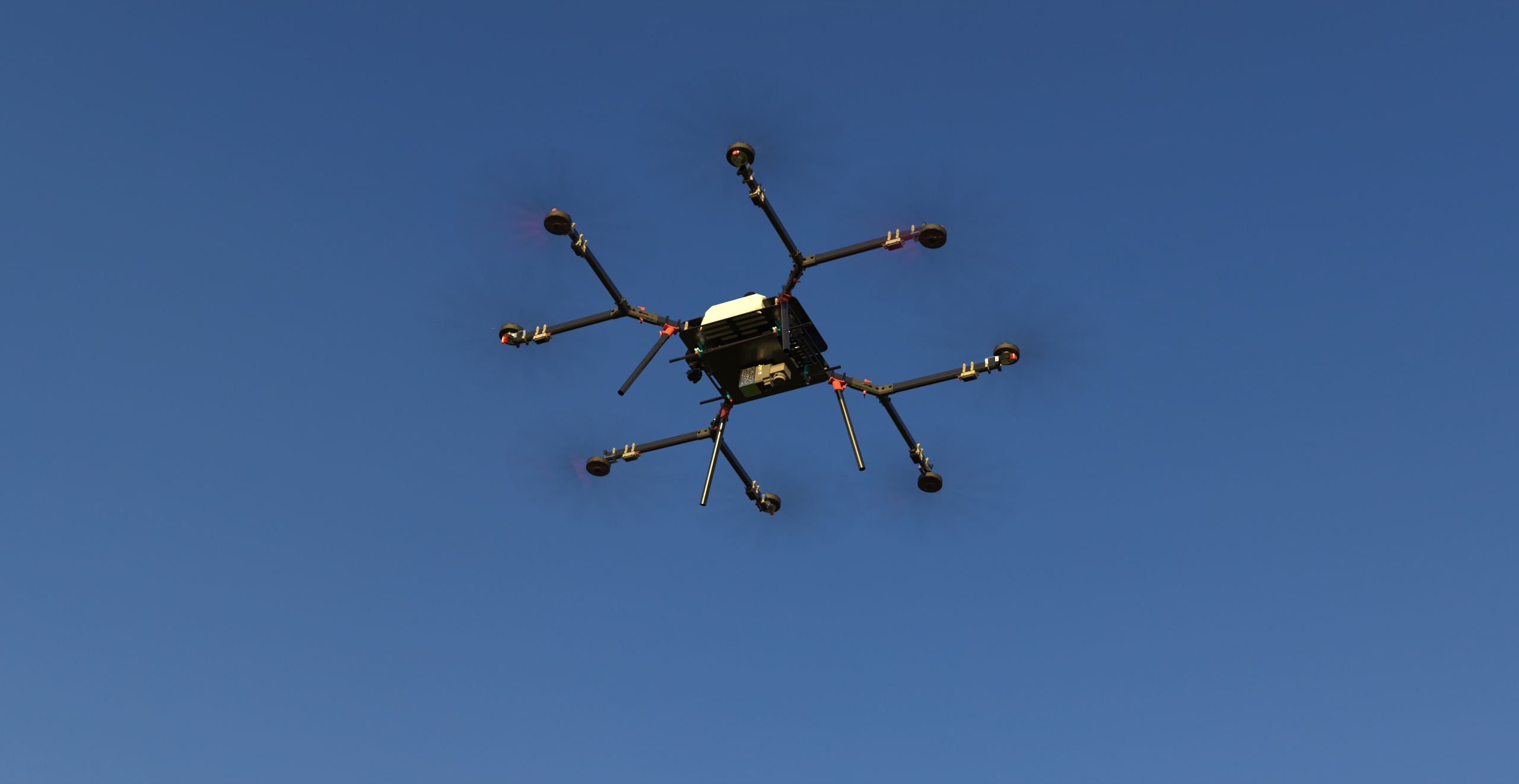
Flying a drone in Canada has always been a balance between innovation and safety, overseen by Transport Canada. For years, flying Beyond Visual Line of Sight (BVLOS) — where the pilot cannot see the drone with their own eyes — required a Special Flight Operations Certificate (SFOC). This process was time-consuming, even for low-risk missions like remote inspections.
But starting in 2025, Transport Canada is introducing new rules that will make certain lower-risk BVLOS flights more accessible, opening the door to more efficient commercial drone operations across Canada.
The Old Way: SFOC for Everything
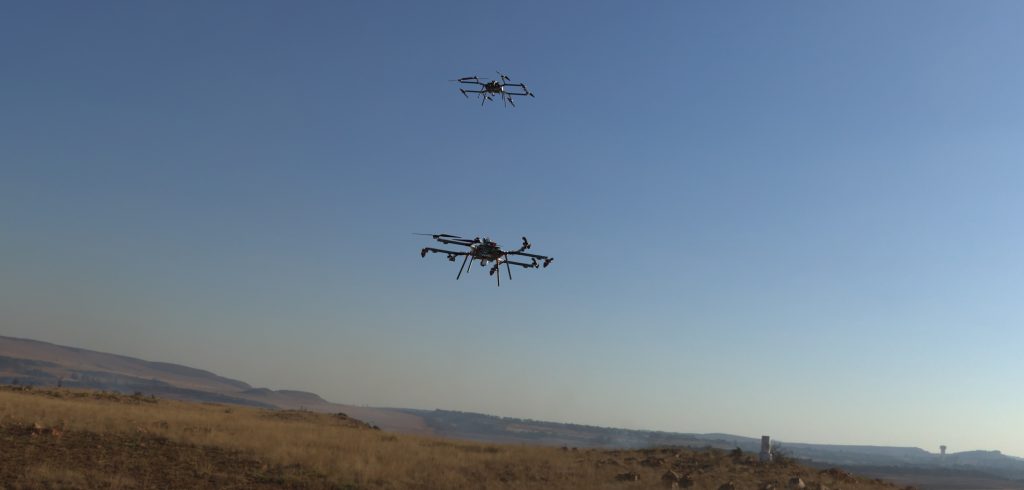
Until now, any BVLOS mission — whether simple or complex — required an SFOC. This system was designed with higher-risk operations in mind, but it also slowed down lower-risk missions, such as monitoring powerlines, inspecting pipelines, or surveying rural land.
The Transition: April and November 2025
The rollout comes in two stages:
- April 1, 2025 (Phase 1):
Pilots can begin applying for new credentials through Transport Canada’s Drone Management Portal, including:- Level 1 Complex Pilot Certificate
- Remotely Piloted Aircraft System (RPAS) Operator Certificate (RPOC)
- November 4, 2025 (Phase 2):
With those certificates, many lower-risk BVLOS flights will be allowed without an SFOC — provided strict conditions are met.
The New Way: Lower-Risk BVLOS Rules
Starting November 4, 2025, eligible BVLOS flights can operate under simpler rules:
- Airspace: Must be in uncontrolled airspace, away from airports and heliports.
- Altitude: Limited to 122 metres (400 ft) above ground level (AGL).
- Location:
- Flights must remain at least 1 km from populated areas.
- Operations may take place over sparsely populated areas (5–25 people per km²).
- Drones: Small and medium RPAS may be used, but must meet safety standards set by Transport Canada.
Higher-risk BVLOS missions — such as those near cities or airports — will still require an SFOC.
Certification Requirements for Pilots
To fly lower-risk BVLOS legally, pilots must obtain new Transport Canada certification. Requirements include:
- Age: At least 18 years old.
- Knowledge: Pass the Advanced Operations exam and the Level 1 Complex exam.
- Training: Complete 20 hours of ground school.
- Skills: Pass a flight review.
- Operator Approval: Hold an RPOC to conduct BVLOS operations as an individual or organization.
Why This Matters
These changes create a clearer, faster pathway for businesses and organizations that rely on drones — from infrastructure inspection to delivery in remote communities.
Transport Canada’s approach balances safety with innovation, ensuring that while drones take on more advanced roles, risks to people and airspace remain controlled.
Final Note
While this update represents a major step forward, always check the official Transport Canada website for the most current rules before flying. Regulations can evolve, and compliance is essential for safe and legal operations.
Disclaimer: Always consult the official Transport Canada website for the most current and complete drone regulations before planning any flight. The rules discussed above are subject to change.

